Welcome!
to the City of Stockton’s Online Open House
Welcome to the
City of Stockton’s Online Open House
for the proposed adjustment to your stormwater utility rates.
Learn more about the value of your stormwater system and the
need for a proposed adjustment to your stormwater utility
rates.
Click the arrows at the bottom of your screen to visit each section.
Use the navigation bar/menu to revisit any part of the meeting.
Contact us any time if you have questions.
Quick Overview
Short on time? Here’s the bottom line
Click/tap the arrows below to learn more.
Lack of sufficient rate revenue has resulted in
deferred maintenance and aging infrastructure—leaving
the system vulnerable to failure.
The system reduces property damage from flooding and
pollution in local waterways by collecting, and
removing rain and irrigation water from properties.
Rates have not increased since 1992—that’s 34
years—even though costs, state and federal
regulations, and the size of the system have
increased.
By fiscal year 2027–28, our stormwater utility will
face an approximate $5 million annual shortfall,
leading to higher flood risks, more pollution in
waterways and potential costly regulatory fines.
The increase would adequately fund your stormwater
services, and allow for long-overdue infrastructure
repairs and improvements.
The cities of Elk Grove and Sacramento stormwater
rates are higher now than Stockton's would be even
after the five-year gradual increase.
If property owners or customers of record
approve proposed rates
City will invest revenues in system maintenance,
repairs and infrastructure replacements.
This will minimize flooding and protect your
property.
If property owners or customers of record
do not approve proposed rates
City will not be able to maintain and fix system
failures, and will have reduced ability to respond to
emergency flood calls.
This will increase potential for flooding, and
negatively impact your property.
Click through the rest of this Online Open House to learn
more about the proposed adjustment to your stormwater
utility rates.
Stormwater 101
Let’s get familiar with terms we’ll use throughout the
Online Open House
What is “Stormwater?”
Stormwater is water runoff.
What is Water Runoff?
Water Runoff includes any water that flows off
your property—rainwater, water from sprinklers,
water from hoses, etc.—along with water runoff
from commercial/ industrial purposes.
How is Water Runoff Harmful to Our Community?
Property Damage Risk: Water
runoff can flood streets and properties, if the
stormwater system is not working properly.
Water Quality Risk: As water
runoff flows, it collects pollutants—like debris
and automobile oil—and runs into local storm
drains. Any trash and hazardous waste that enters
the stormwater system is carried directly into
local waterways.
Pollution Risk: When pollutant
levels rise, it becomes more expensive for the
City to treat drinking water from local waterways.
What Does the City of Stockton Stormwater System Do?
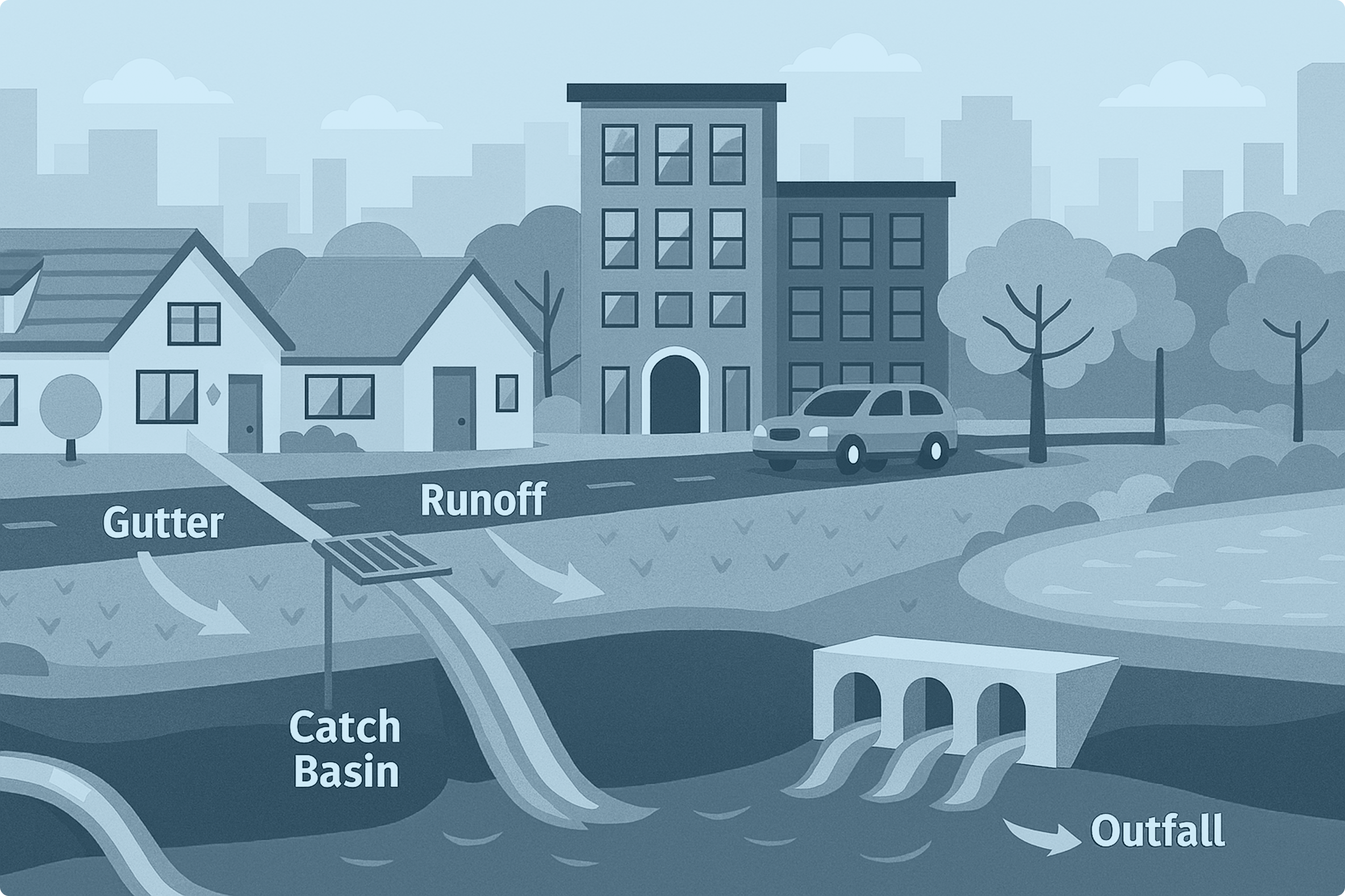
This large network of storm drains, pipes, pump
stations and stormwater holding ponds, collects
water runoff from properties and moves it into
local waterways such as rivers, creeks, sloughs
and the Delta.
What are Common Sources of Water Runoff Pollution?
Sediments, dirt, sand, silt and construction waste
Pet waste
Pesticides and fertilizers
Automobile fluids like oil, grease, gasoline and
antifreeze
Grass clippings, leaves and other yard waste
Metals
Household hazardous wastes (HHW) like paints and
solvents
Debris such as plastic bags, six-pack rings,
bottles and cigarette butts
Get to Know Your Stormwater System
Your stormwater system protects your property
Your stormwater system prevents flooding and related damage
to properties through collection and removal of water
runoff. It also keeps pollutants like trash, oil, chemicals,
and sediment from flowing into local rivers, creeks, sloughs
and the Delta.
The land in Stockton is generally flat and mostly developed,
so water runoff can’t drain naturally in most places.
Because there’s nowhere for the water to go, it must be
physically removed to keep it from backing up and flooding
streets, homes and other buildings.
Stockton’s Stormwater—By the Numbers
The City operates and maintains a large network of storm drains,
pipes, pump stations and stormwater holding ponds to collect
water runoff from properties and move it into local waterways
(rivers, creeks, sloughs and the Delta).
243,000+Customers
23,200Catch basins (also known as storm drains)
620Miles of pipeline
~100Discharge outlets
77Pump stations
19Stormwater holding ponds
We’re Working For You
The City employs 20 highly trained staff who manage operations,
maintenance and emergency response for your stormwater utility.
In 2024 alone, stormwater utility crews were responsible for:
8,000+Linear feet of stormwater pipes cleaned—equivalent to
about 23 football fields laid end-to-end
7,500+Storm drains maintained, including 90,000 pounds of trash
removed
400+Construction, industrial and commercial properties
inspected to reduce improper and/or illegal disposal of
hazardous waste
54Resolved reports of illegal dumping into the stormwater
system
(Source:
Stormwater Annual Report)
What’s the Problem?
Your stormwater system is at a breaking point
Lack of sufficient rate revenue has resulted in deferred
maintenance and aging infrastructure—leaving the system
vulnerable to failure.
Insufficient funding
Today, rate revenues do not cover the total cost of
providing service such as operations, maintenance, and
important repairs and improvements.
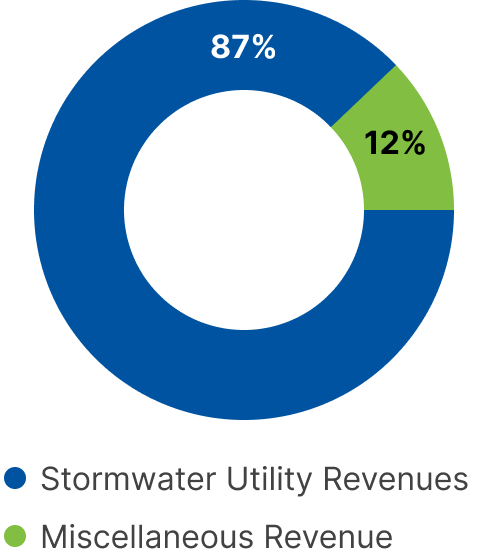
Stormwater utility revenues come from stormwater rates and
are approximately $6 million per year.
Miscellaneous revenue is reimbursements, interest income,
inspection fees, penalties and fines, etc. and are
approximately $900,000 per year.
The current stormwater rate—$2.10 per month for each
Equivalent Dwelling Unit (about $25 per year for a typical
single-family home)—was set in 1992, 34 years ago. It has
never been increased, even though costs have gone up,
state and federal regulations have expanded, and the
stormwater system has grown.
Additional funding required
Additional rate revenue is required to avoid service level
cuts and an increasing likelihood of system failures.
By fiscal year 2027–28, our stormwater utility will face an
approximate $5 million annual shortfall, leading to higher
flood risks, more pollution in waterways and potential
costly regulatory fines.
As an enterprise fund of the City, stormwater utility
services must be self-supporting. In other words, the costs
must be covered through rate revenues paid by the property
owners and customers of record who receive service. This is
required by the California Constitution Article 13D, also
known as Proposition 218.
Rates collected for services are only used to pay for
operating, maintenance and capital improvement project
costs for stormwater services—meaning those funds are not
mixed with the City’s general funds.
Deferred maintenance and aging infrastructure
Your stormwater utility has been underfunded for many years,
and now significant portions of your stormwater system are
at critical risk of failure. Revenues do no cover the costs
for system maintenance and necessary infrastructure
improvements.
That’s a big problem because the stormwater system is
aging.
The consequences of aging and insufficient infrastructure
were especially obvious in early 2023 when Stockton received
over half of its average annual rainfall in just 17 days.
Stormwater system was overwhelmed
Streets were flooded
Several pump stations were knocked out of commission and
could not be immediately repaired
This resulted in flood damage to cars, homes and businesses
(e.g. Quail Lakes area), as well as pollutants in the
stormwater system. And the problems could worsen!
33 years
Average age of all pumps
30–40 years
Typical lifespan of a storm drain pump
69 years
Age of the City’s oldest storm drain pump
Eventually the pump stations, catch basins and pipelines
will fail, some sooner than later!
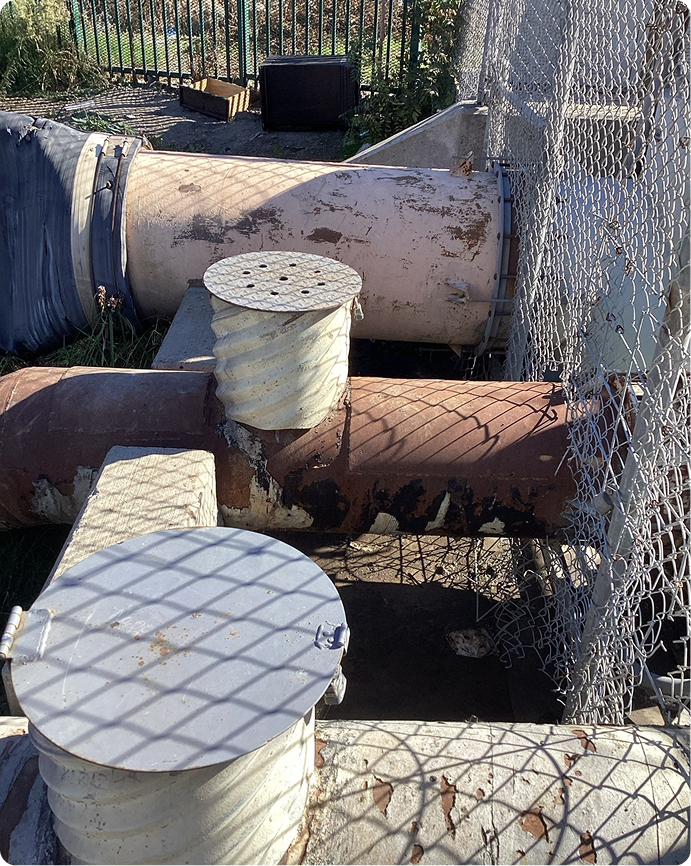
Multiple leaking discharge pipes
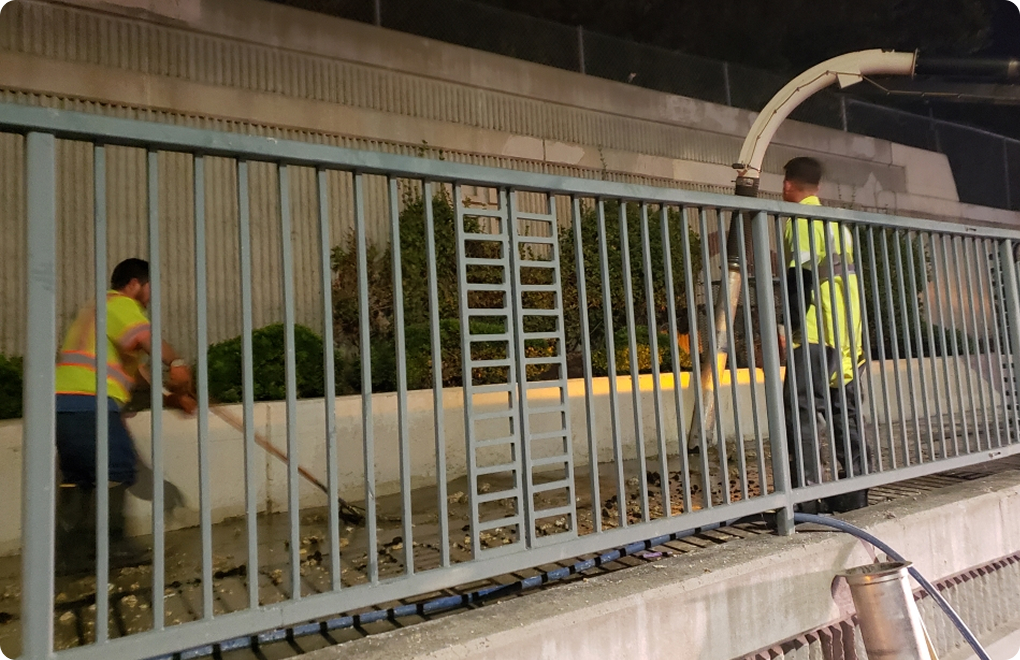
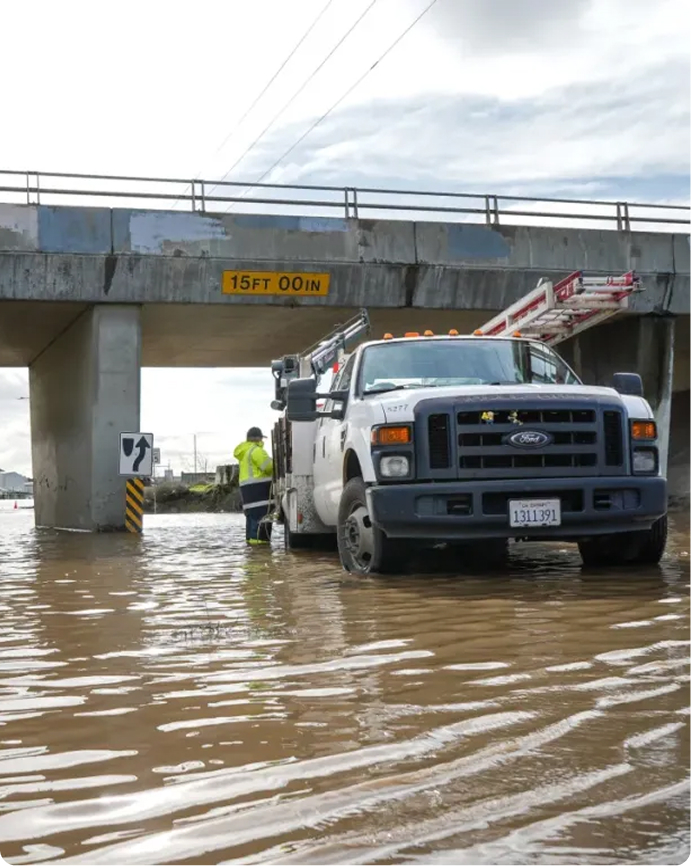
City of Stockton employee working in flooded street
(Photo: Stocktonia)
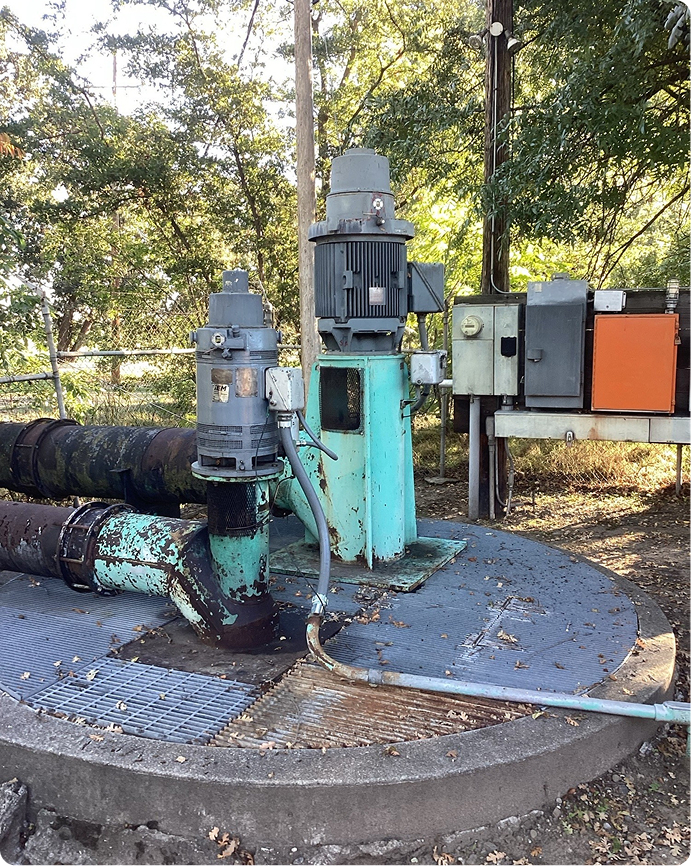
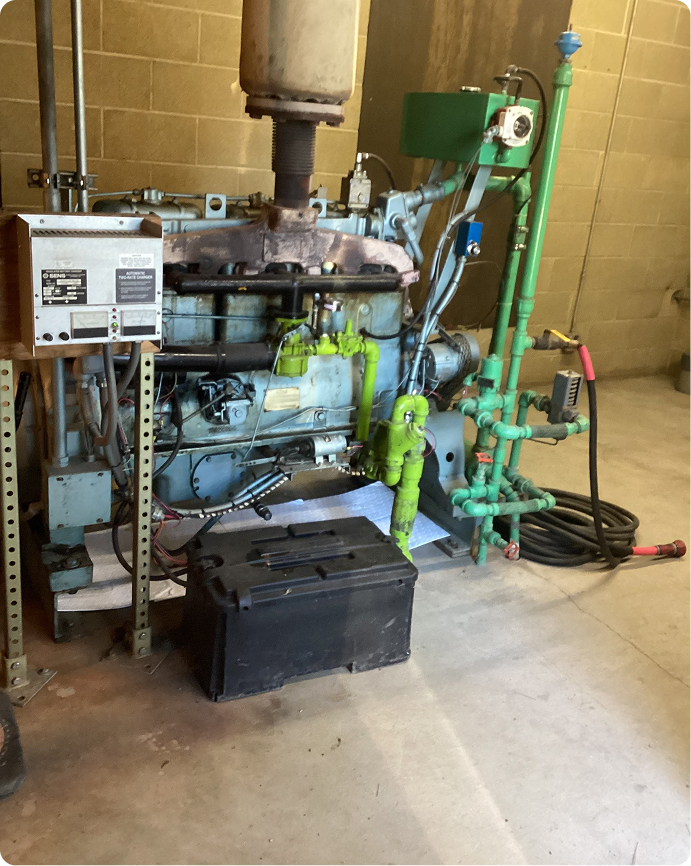
Old pumps and multiple leaking discharge
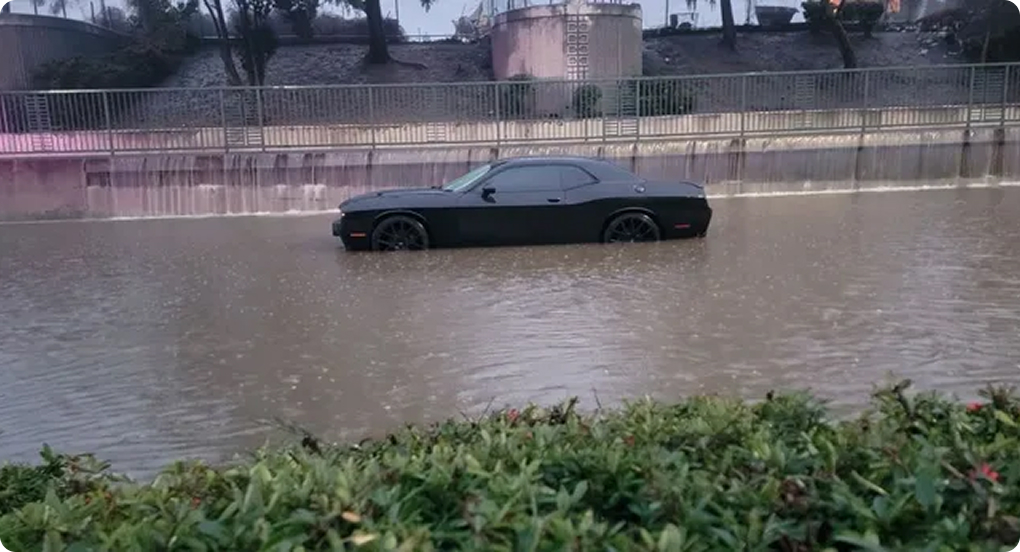
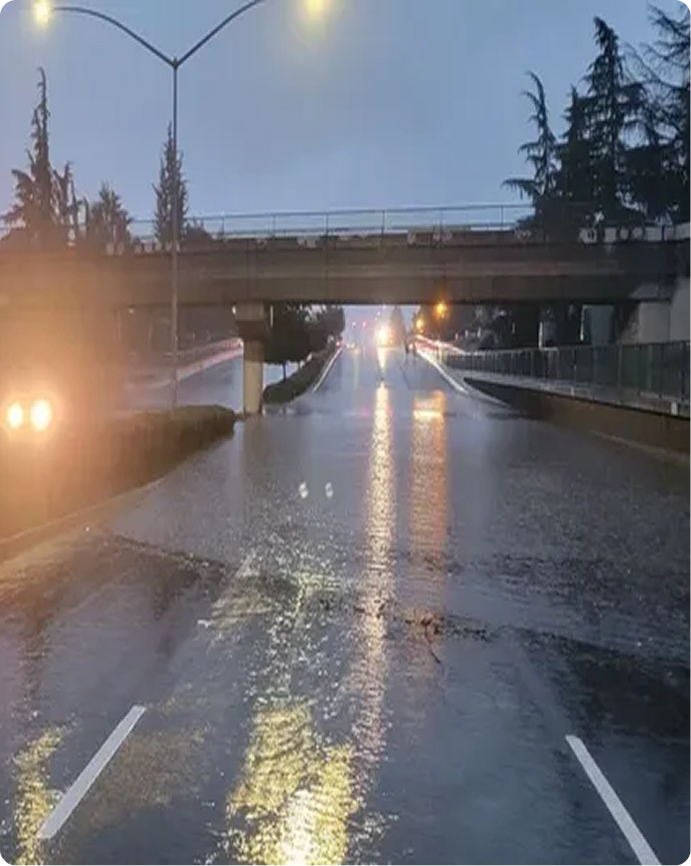
Flooded Hammer Lane underpass(Photo: Stockton PD)
Obsolete engine
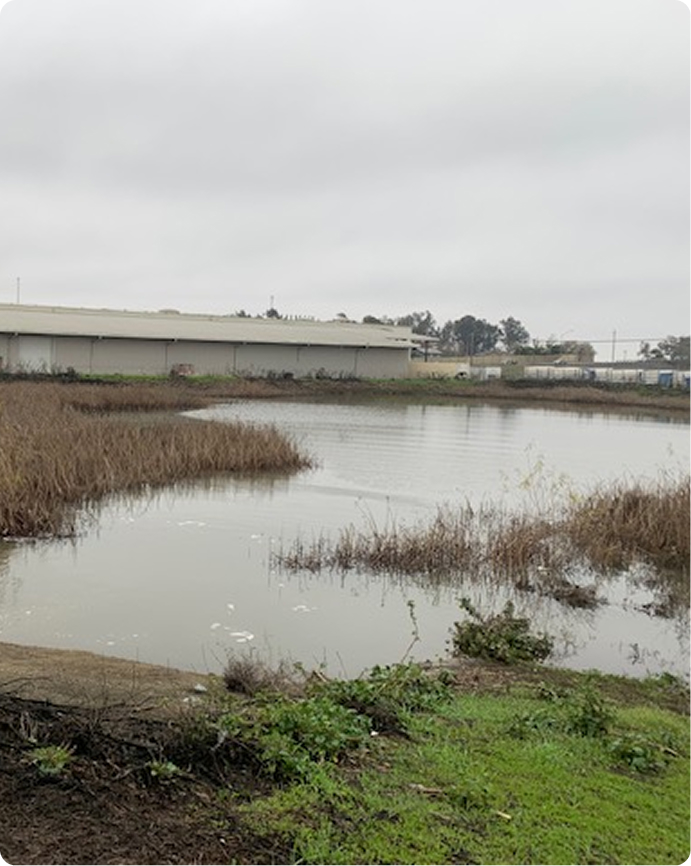
Flooded yard
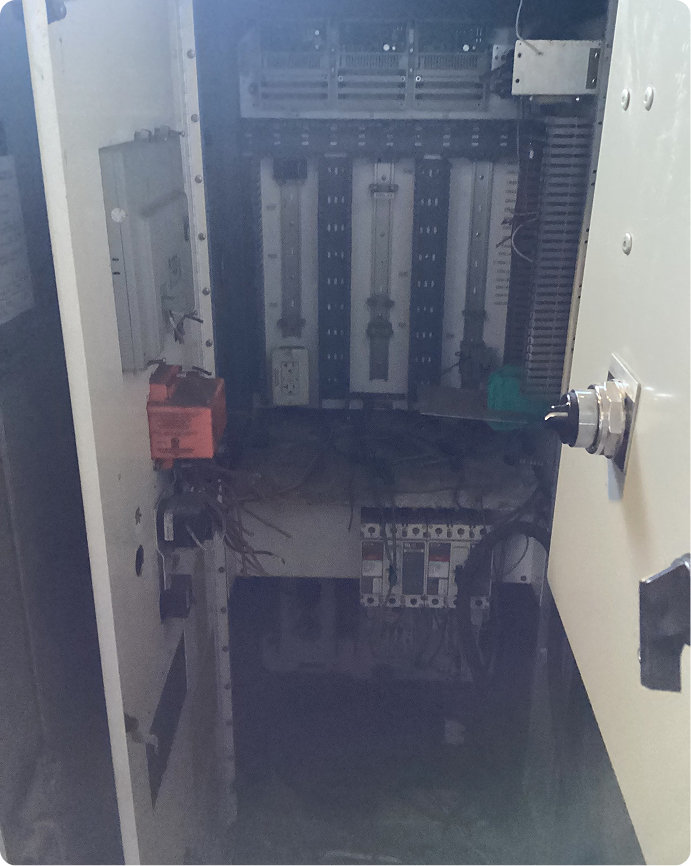
Gutted stations due to vandalism
How Do We Fix the Problem?
Stormwater utility problems can only be fixed with adequate
funding
Adequate funding is necessary to replace old, failing
infrastructure and keep up with ongoing maintenance.
Vulnerable areas in need of repairs and improvements
The City’s 2023
Stormwater Master Plan
identifies areas vulnerable to potential system failures and
outlines $285 million in capital improvements (projects) to
reduce the risk of flood damage to properties. Planned
projects include repairs and improvements to pump stations,
discharge pipelines, and storm drains.
System improvements are in addition to day-to-day
maintenance, which includes:
Inspecting and cleaning storm drains, pipes and pump
stations
Inspecting construction, industrial and commercial
properties to reduce improper and/or illegal disposal of
hazardous waste
Responding to emergency calls to clear storm drains and
flooded streets
Interactive Map
Click/tap pins on the map below to learn more about planned
stormwater capital improvement projects throughout the city.
What’s My Proposed Cost?
The City is proposing a gradual, five-year rate adjustment
The proposed rate adjustment would start August 1, 2026, and
cover the cost of providing service.
Your stormwater rates will remain lower than current rates of
neighboring cities
The proposed rate adjustments would adequately fund your
stormwater services, comply with water quality requirements,
and allow for long-overdue infrastructure repairs and
improvements.
Even after five years, your stormwater rates will remain
lower than current rates of neighboring cities like
Sacramento and Elk Grove.
The City hired HDR, an engineering consulting firm, to
conduct a third-party analysis of current and future revenue
requirements. These include cost recovery for operations,
maintenance, capital improvement projects and regulatory
compliance.
The current stormwater rate is $2.10 per month per
Equivalent Dwelling Unit (approximately $25 per year for a
typical single-family home). This rate hasn’t increased
since 1992—that’s 34 years!
If the five-year rate adjustment is approved by property
owners and customers of record, the stormwater rate would
generate approximately $5 million in funding for fiscal year
2027–28, fully covering costs for operations, maintenance,
regulatory compliance and delayed capital improvements.
Even after year five, your monthly stormwater utility rate
will be lower than current rates for other cities like
Sacramento, Elk Grove, among others. These agencies may also
have additional rate increases before the City of Stockton
reaches year five of the proposed rate adjustments.
Summary of Proposed Maximum Stormwater Rates
Phased over a five-year period beginning August 1, 2026,
and each July 1 thereafter through 2030, if approved by
ratepayers and adopted by City Council.
New rates for single-family and multi-family residential
properties will be:
Start Date
Cost Per Month
Cost Per Year
August 1, 2026
$3.85
$46.20
July 1, 2027
$5.60
$67.20
July 1, 2028
$6.85
$82.20
July 1, 2029
$7.85
$94.20
July 1, 2030
$8.10
$97.20
What Happens Next?
As required by California Proposition 218, the City of Stockton
will send all stormwater property owners or customers of record
a notice about the public hearing on proposed stormwater rate
changes
The Process
Approving your new stormwater rates is a two-step process:
Protest Hearing
The City sends a notice of the proposed rates and schedules
a public protest hearing. Property owners or customers of
record may submit written protests any time before the
hearing closes.
If more than 50% of property owners or customers of record
submit protests, the rate setting process cannot move
forward
If 50% or fewer protest, the City Council may proceed to
Step 2
Public Protest Hearing
Tuesday, March 31, 2026 at 5:30 p.m.
City of Stockton Council Chambers
425 N. El Dorado Street, Stockton, CA 95202
How to Submit a Written Protest
Written protests must be delivered in person or by mail
before the close of the public hearing on Tuesday, March
31, 2026, to:
Office of the City Clerk City Hall
425 N. El Dorado Street, Stockton, CA 95202
Written protests must include the following:
Name and signature of the person submitting the
written protest
Property address or Assessor’s Parcel Number (APN)
Clear statement protesting the proposed rate
adjustments (not necessary to give a reason,
opposition alone is sufficient)
Only one protest per parcel will be counted
Protests may also be submitted in person to the City
Clerk during the public hearing
Election and Public Hearing
The City Council may then direct staff to mail ballots to
all property owners or customers of record, starting a
minimum 45-day election period that ends with a public
hearing.
Proposed stormwater rates may be adopted if more than half
of the returned ballots are marked “yes”
Proposed stormwater rates cannot be adopted if more than
half of the returned ballots are marked “no”
Your input matters
If property owners or customers of record
approve proposed rates
You will pay an increased rate for stormwater services
over a five-year period starting August 1, 2026
Rate revenues will cover the cost of providing service
By law, the City can only use rate revenues to fund
the cost of stormwater utility services that include
operations, maintenance, capital improvement projects
and regulatory compliance
City will prioritize deferred maintenance and capital
improvement projects meant to reduce flood damage as
identified in the Stormwater Master Plan
Even in year five, your monthly stormwater rate will
still be less than current rates in neighboring cities
like Sacramento and Elk Grove
If property owners or customers of record
do not approve proposed rates
Existing rate revenues do not cover the cost of
providing service
Stormwater utility reserve funds will be eliminated by
fiscal year 2026–27
Stormwater utility will begin fiscal year 2027–28 with
an annual deficit of approximately $5 million
Existing levels of service will be significantly
reduced, meaning an increased risk of:
More localized flooding, even in areas where
flooding has not occurred in the past
Reduced emergency response to localized flooding
and system failures
Potential increase of flood damage to properties
Increased likelihood of higher contaminant loads
and trash in local rivers, creeks, sloughs, and
the Delta
Additional delays of capital projects and
deferrals of annual maintenance
Reduced cleaning of storm drains
Catastrophic system failures (e.g. pump stations)
Potential fines for violation of state and federal
water quality regulations
Contact Us
Thank you for visiting the City of Stockton Online Open House on
the proposed adjustments to stormwater rates
Have questions? Click/tap the email and ‘Ask Stockton’ buttons
in the top right corner.


















 Protest Hearing


 Election and Public Hearing